

Every specialty has its pioneers. Medical genetics in India has legends who built the field when there was no roadmaps.
Indian Geneticists exist because of the ecosystem they created.
This is a tribute to some of the most senior and influential faculty members who shaped medical genetics in India and mentored generations who practice today.
Prof. Ishwar Chander Verma

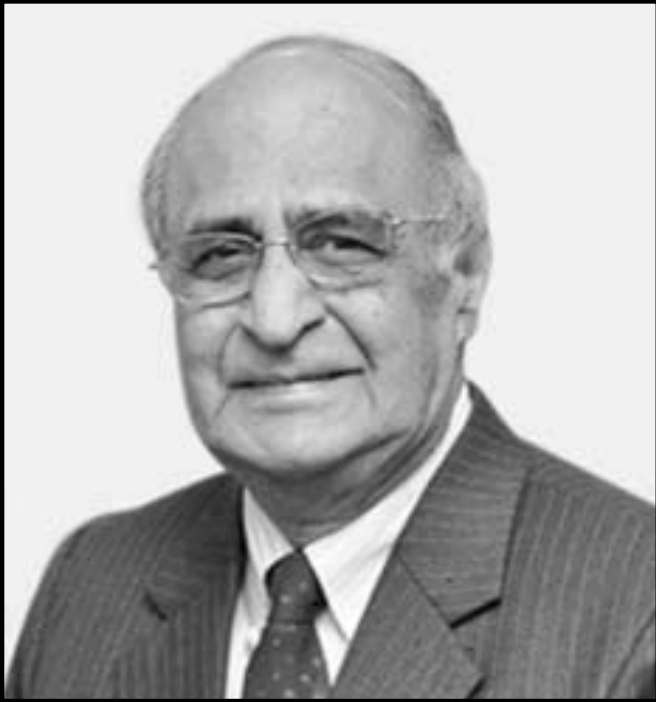
Dr. I C Verma is widely regarded as the father of medical genetics in India, a title he earned through decades of relentless clinical, academic, and institution-building work.
Trained across leading centres in India, Europe, and the USA, he brought modern medical genetics to a country where the specialty barely existed.
He was instrumental in establishing premier genetics centres at AIIMS New Delhi and Sir Ganga Ram Hospital, shaping how genetics is practiced nationwide. His research spanned dysmorphology, Down syndrome, tribal health, and sickle cell disease, with work that gained international recognition.
A passionate teacher and editor, he led the Indian Journal of Pediatrics for decades and mentored generations of pediatricians and geneticists.
Even in his later years, he remained academically active, leaving behind a legacy defined by curiosity, compassion, and uncompromising standards in patient care
Prof. Shyam Swarup Agarwal

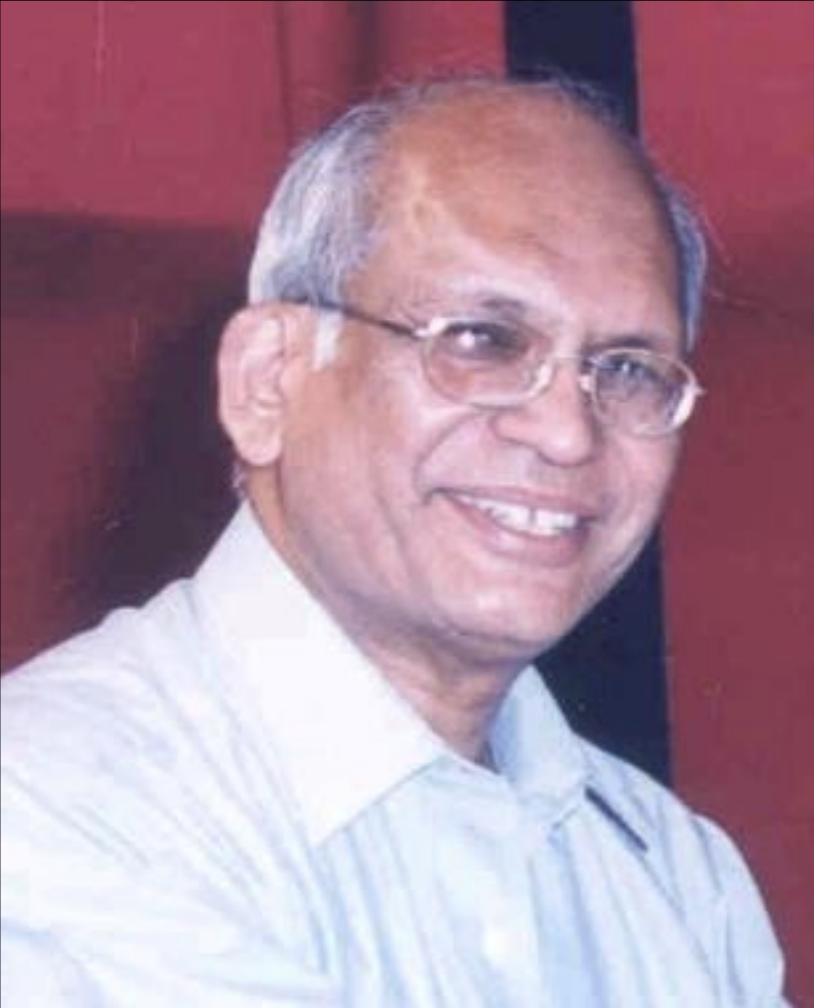
Dr. S Agarwal was a towering figure in Indian medical genetics and clinical immunology, and among the earliest to give the field serious academic and institutional shape.
Trained in medicine with advanced exposure to genetics and immunology in international centres, he brought rigorous science into Indian clinical practice.
He played a pivotal role in establishing the Departments of Medical Genetics and Clinical Immunology at SGPGI Lucknow, helping these disciplines gain formal recognition in India. His research spanned molecular genetics, skeletal dysplasias, immunology, and population genetics, with several findings earning international acceptance.
Beyond the lab, he was a builder of systems, serving as Dean and later Director of SGPGI and guiding national research bodies like ICMR, DBT, and CSIR.
Remembered as a scientist, teacher, and institution maker, his influence continues through the departments he built and the professionals he trained.
Prof. Radha Rama Devi

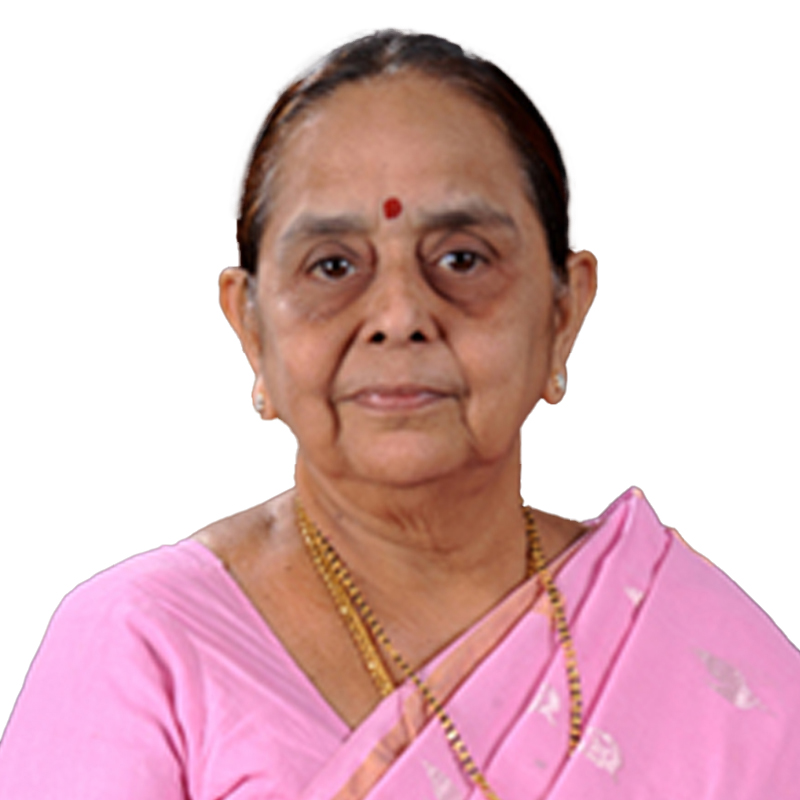
Dr. Radha Rama Devi is a pioneering clinical geneticist and pediatrician with over four decades of experience.
As one of the foundational figures in Indian medical genetics, she has dedicated her career to the diagnosis, management, and prevention of inborn errors of metabolism (IEM) and other inherited conditions.
She was instrumental in launching India’s first large-scale newborn screening program, subsequently publishing the first prevalence data for these disorders in the Indian population.
She established the nation’s first Comprehensive Genetic Diagnostic Service Laboratory at the Center for DNA Fingerprinting and Diagnostics (CDFD) under the Government of India.
Prof. Madhulika Kabra

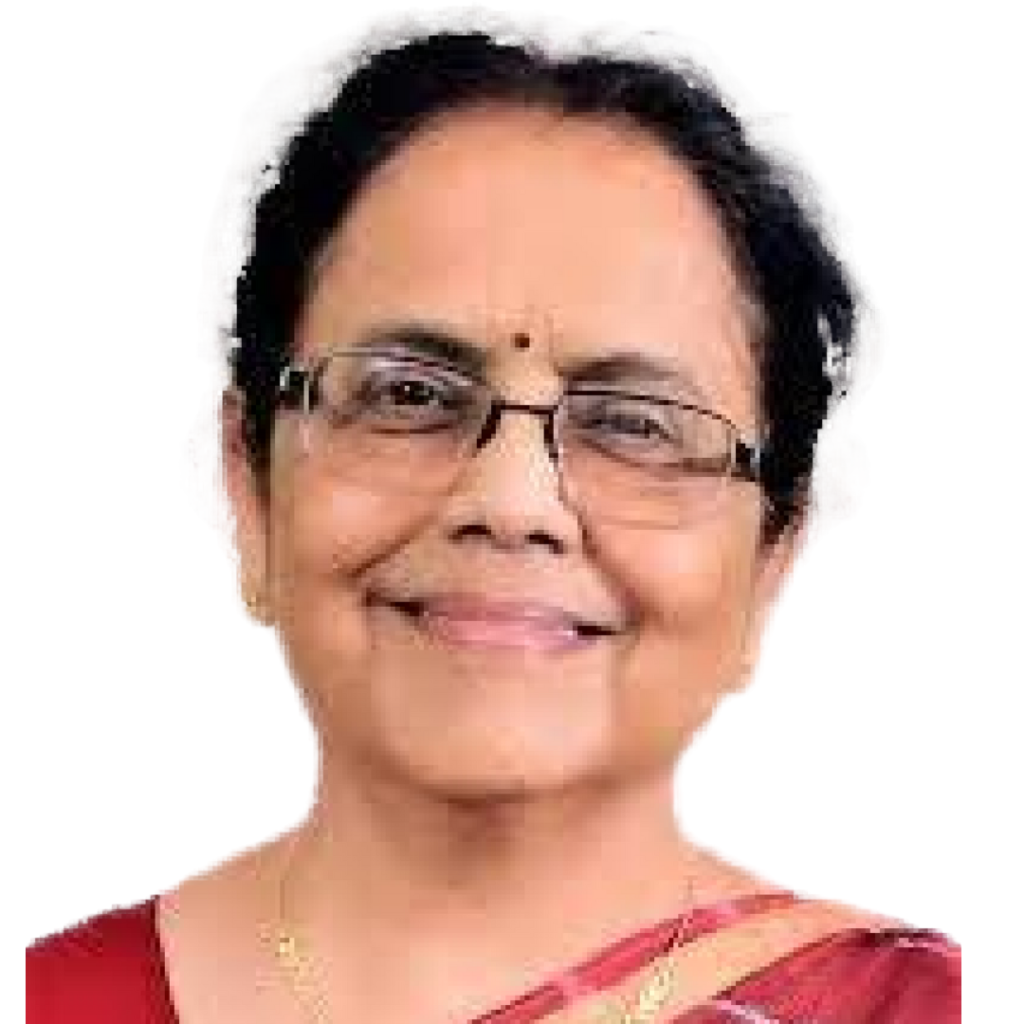
Professor Madhulika Kabra is one of the most influential clinical geneticists in India, known for combining sharp clinical judgment with deep academic rigor.
Based for decades at AIIMS Delhi, she played a central role in shaping modern clinical genetics, dysmorphology, and metabolic medicine in the country.
Her work spans inborn errors of metabolism, congenital malformations, neurogenetic disorders, and rare diseases, with an emphasis on careful phenotyping and ethical practice.
She has been a formidable teacher and mentor, training generations of pediatricians and geneticists who now lead departments across India. Widely respected for her clarity of thought and uncompromising standards, she set benchmarks for both patient care and academic training.
For many trainees, she represents the ideal clinician–teacher, someone who made genetics precise, practical, and deeply humane.
Prof. Shubha Phadke
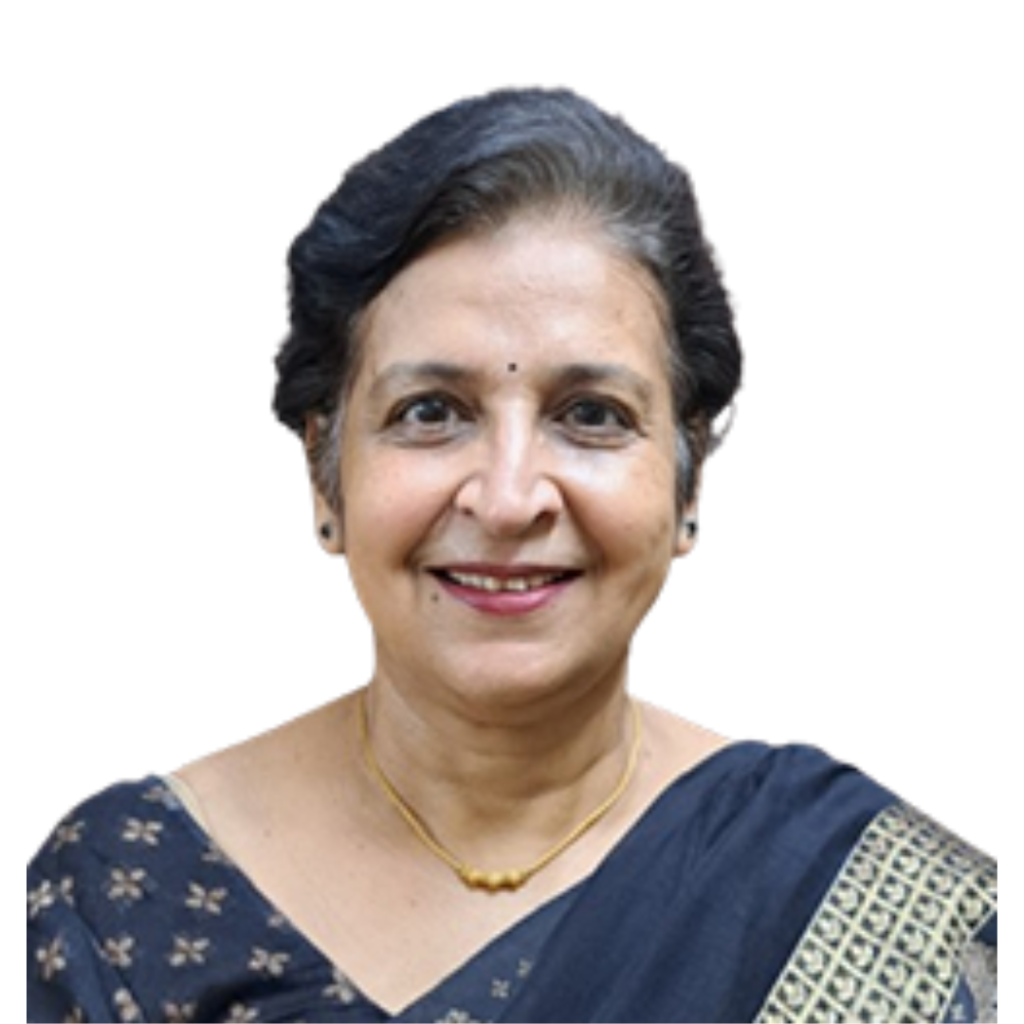
Dr. Shubha Phadke has been one of the key forces behind the expansion of medical genetics in India.
Based at Sanjay Gandhi Postgraduate Institute of Medical Sciences, she helped build strong clinical genetics services with an emphasis on congenital malformations, neurogenetics, and rare diseases.
Her work has consistently bridged clinic, research, and public health, especially in the context of birth defects and genetic counseling.
She has contributed significantly to national guidelines, policy discussions, and capacity building in genetics.
As a teacher and mentor, she is known for her clarity, approachability, and insistence on good clinical sense over shortcuts. Her legacy lies not just in publications but in making genetics accessible, practical, and relevant across India.
Prof. Seema Kapoor
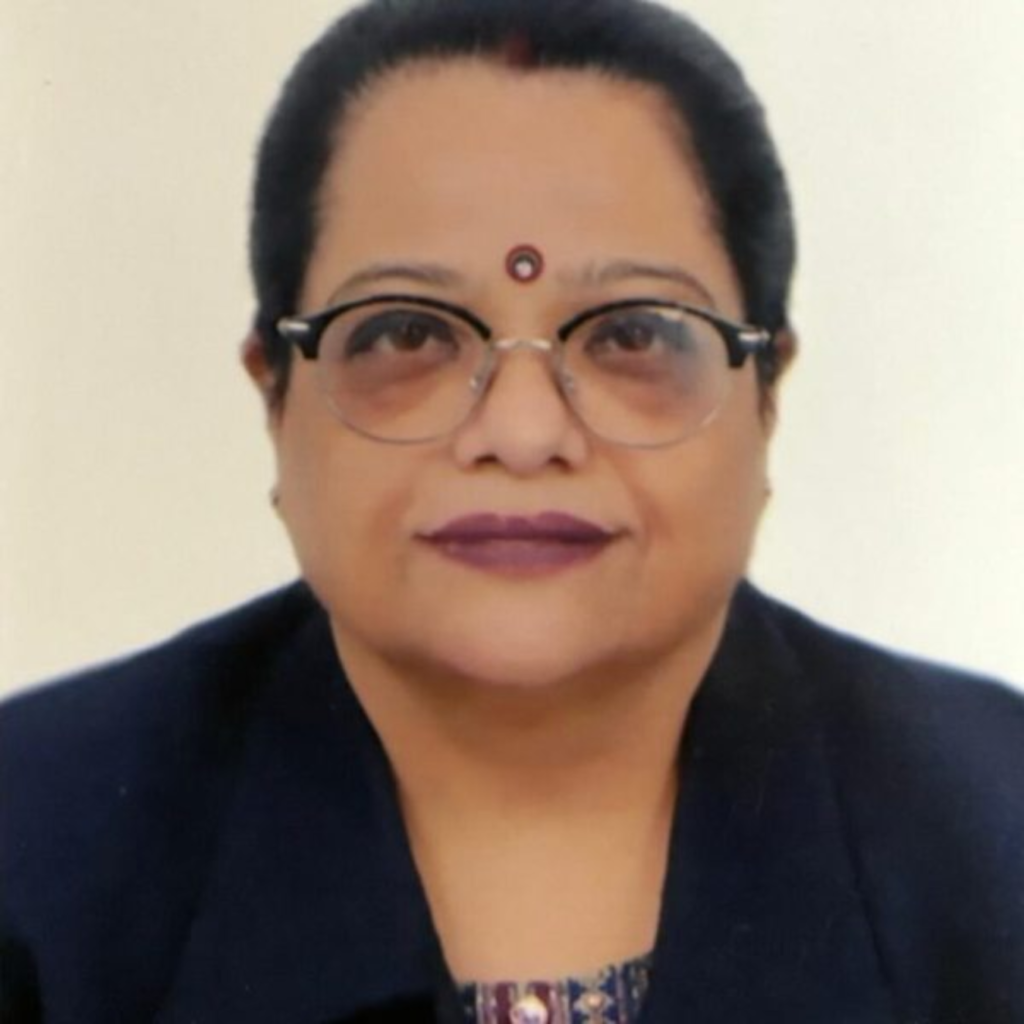
Dr. Seema Kapoor has been a key voice in Indian medical genetics, especially in the areas of inborn errors of metabolism and newborn screening.
She played an important role in bringing attention to the feasibility, challenges, and urgent need for structured newborn screening programs in India.
Her work on IEM helped bridge the gap between textbook genetics and real-world pediatric practice, where delayed diagnosis often changes outcomes.
She also contributed to national discussions on rare diseases and genetics policy at a time when the field was still finding its footing. For many pediatricians and geneticists, her work quietly shaped how metabolic and syndromic disorders are approached in Indian settings.
Prof. Ratna Dua Puri
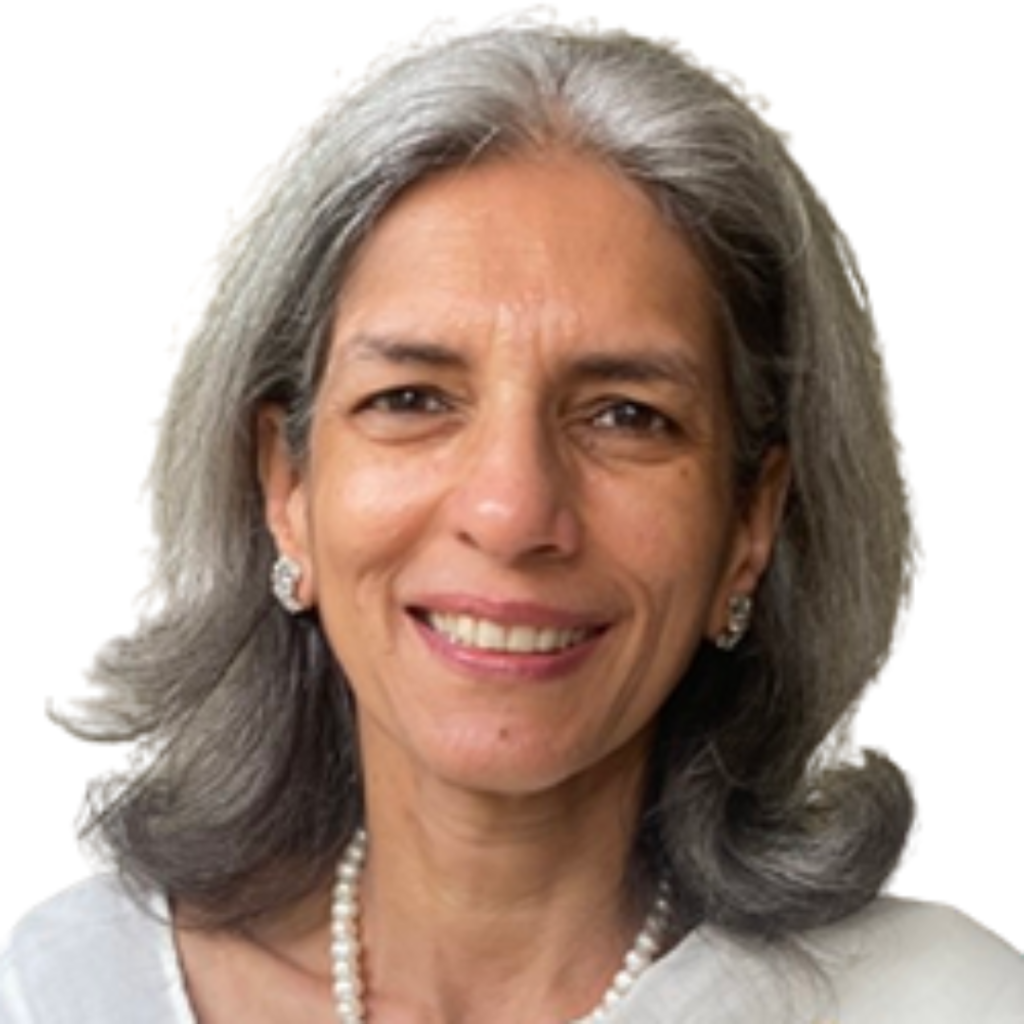
Dr. Ratna Dua Puri is a leading Indian medical geneticist and the Chairperson of the Institute of Medical Genetics and Genomics at Sir Ganga Ram Hospital, New Delhi.
Renowned for her expertise in clinical dysmorphology and fetal medicine, she has been instrumental in advancing genetic diagnostics and prenatal screening in India.
Her extensive research focus includes rare diseases and inborn errors of metabolism, aimed at closing the diagnostic gap for undiagnosed conditions.
Through her leadership and hundreds of published works, she remains a pivotal figure in integrating genomic medicine into mainstream Indian healthcare.
Prof. Sumita Danda
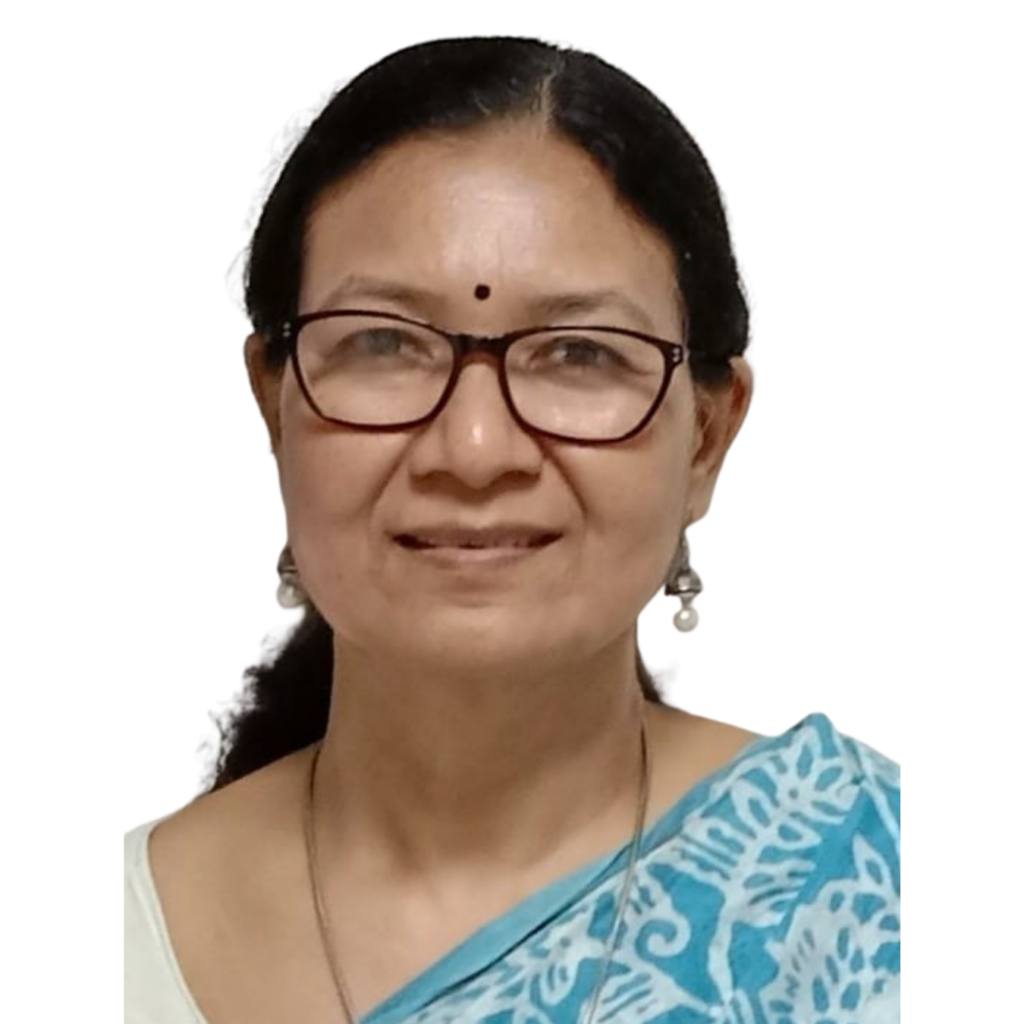
Prof. Sumita Danda is a distinguished clinical geneticist known for her dedication to the diagnosis, management, and counseling of families with inherited genetic disorders.
Based at the prestigious Christian Medical College (CMC) in Vellore, she has played a vital role in advancing medical genetics in South India.
Prof. Danda’s research primarily centers on the clinical and molecular characterization of rare metabolic and single-gene disorders within Indian populations.
Her most notable investigative work involves identifying and analyzing the functional effects of the founder pathogenic variant for Alkaptonuria (AKU) among the Narikuravar community in South India.
———————————-
This is not a hall of fame but a reminder. A reminder that medical genetics in India was built by people who taught without slides and diagnosed without sequencing. Many of the systems we now take for granted exist because of their persistence.
Indian Geneticists proudly acknowledge these pioneers and their lifelong contributions to patients, students, and the future of genetics in India. This page will grow. With time, we will add more senior faculty whose work deserves recognition.