Hunter syndrome, also known as Mucopolysaccharidosis type II (MPS II), is a rare genetic disorder that affects boys. Children born with this condition have a mutation in a specific gene that prevents their bodies from producing an essential enzyme called iduronate-2-sulfatase (I2S). Without this enzyme, complex molecules known as glycosaminoglycans build up inside the body’s cells. Over time, this cellular accumulation causes severe, progressive damage to major organs. The clinical features include coarse face, enlarged liver & spleen, valvular involvement of the heart, and skeletal deformities. In its severe form, the disease affects the central nervous system, leading to profound cognitive decline.
For nearly twenty years, the standard treatment has been a drug called Elaprase (idursulfase). While this traditional enzyme replacement therapy does an excellent job of clearing sugar build-up in the body’s peripheral organs, it has a massive limitation. This artificially made enzyme cannot cross the blood-brain barrier (BBB). As a result, even children receiving standard treatment continued to suffer from profound cognitive decline.
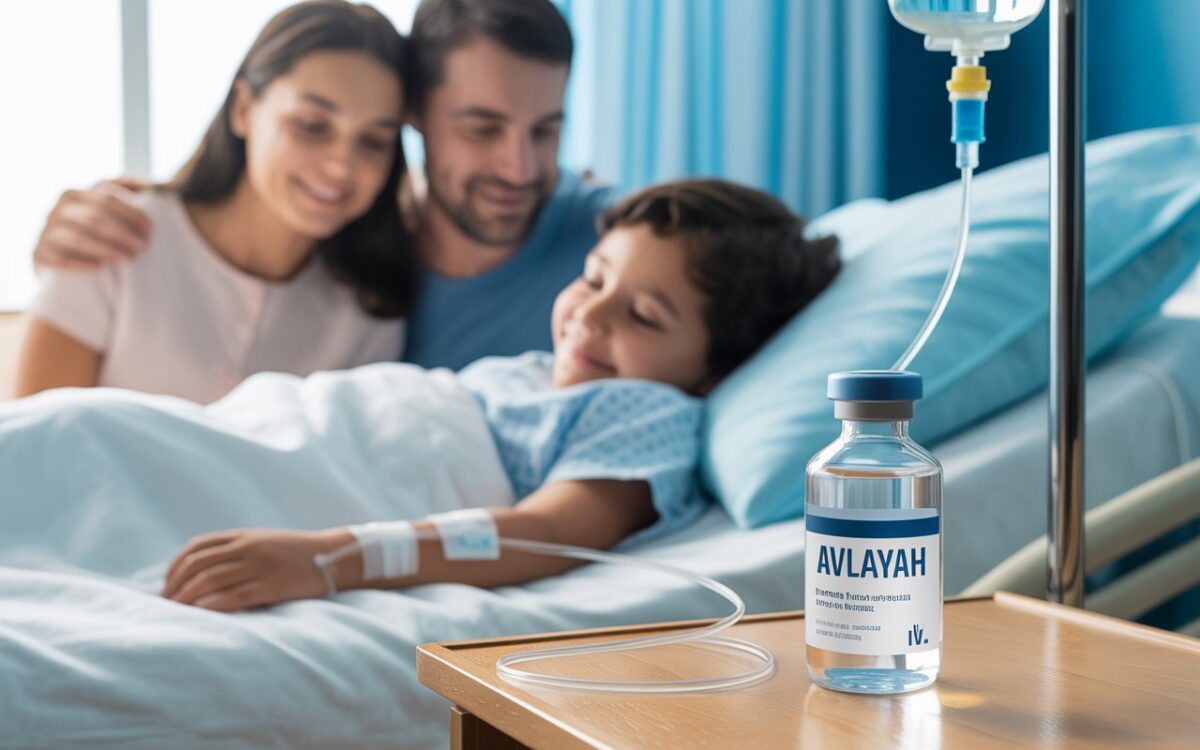
On March 25, 2026, the FDA approved a groundbreaking new medicine that finally bridges this gap: Avlayah (tividenofusp alfa-eknm). Developed by Denali Therapeutics, Avlayah is the first therapy specifically engineered to cross the blood-brain barrier to treat the neurological complications of Hunter syndrome.
To achieve this, Denali’s scientists created what they call a “Transport Vehicle.” They attached the missing I2S enzyme to a specially modified antibody designed to target the transferrin receptor. Normally, the transferrin receptor is responsible for ferrying iron from the bloodstream into the brain. Avlayah essentially acts as a molecular Trojan horse, latching onto this iron-transport system to hitch a ride directly across the blood-brain barrier and into the brain tissue where it is needed.
The FDA’s accelerated approval of Avlayah was based on highly compelling results from a Phase 1/2 clinical trial involving 47 pediatric patients. Researchers measured the levels of heparan sulfate, one of the accumulated complex molecules, in the patients’ cerebrospinal fluid. After 24 weeks of weekly intravenous infusions, Avlayah reduced these toxic sugar levels by an impressive average of 91%. In fact, 93% of the treated children saw their levels drop into the normal, healthy range. The trial also showed significant drops in a protein called Neurofilament Light chain (NfL), which is a clear indicator that actual brain damage and nerve injury were being halted. A larger, ongoing Phase 2/3 trial called the COMPASS study is currently underway to further confirm these long-term clinical benefits.
However, the benefits of this innovative delivery system come with specific clinical warnings. Because Avlayah introduces a large, engineered protein into the bloodstream, it carries a Boxed Warning for severe, potentially life-threatening allergic reactions, including anaphylaxis. Patients must receive their infusions in a monitored healthcare setting. Treatment begins with a careful, four-week dose-escalation phase to help the body adjust before reaching the full maintenance dose.
Additionally, because Avlayah hijacks the body’s iron transport receptors, it can disrupt normal iron processing. This leads to a high risk of anemia, making it essential for doctors to routinely monitor patients’ red blood cell counts. Kidney function must also be monitored, as cases of membranous nephropathy have been reported.
The timing of treatment is absolutely critical. The treatment must be initiated before advanced neurologic impairment. The FDA has approved Avlayah for children weighing at least 5 kg.
From an economic standpoint, groundbreaking rare disease treatments are highly expensive. Avlayah has a list price of about $5,200 per vial, which translates to roughly $270,000 to over $811,000 per year, depending on the growing child’s weight.
Despite the high costs and necessary safety precautions, Avlayah represents a leap forward in medicine. It not only offers newfound hope to families battling Hunter syndrome, but its underlying blood-brain barrier technology also opens the door to treating countless other neurodegenerative diseases in the future.
P.S. The Indian Geneticists website has no affiliation with Denali Therapeutics. Please note that this article is provided for informational purposes only.
Works cited
- FDA Approves Drug to Treat Neurologic Manifestations of Hunter Syndrome, accessed on March 28, 2026, https://www.fda.gov/news-events/press-announcements/fda-approves-drug-treat-neurologic-manifestations-hunter-syndrome
- Denali Therapeutics Announces U.S. FDA Approval of AVLAYAH™ (tividenofusp alfa-eknm) for Treatment of Hunter Syndrome (MPS II), accessed on March 28, 2026, https://investors.denalitherapeutics.com/news-releases/news-release-details/denali-therapeutics-announces-us-fda-approval-avlayahtm
- HIGHLIGHTS OF PRESCRIBING INFORMATION These highlights do not include all the information needed to use AVLAYAHTM safely and eff – accessdata.fda.gov, accessed on March 28, 2026, https://www.accessdata.fda.gov/drugsatfda_docs/label/2026/761485s000lbl.pdf